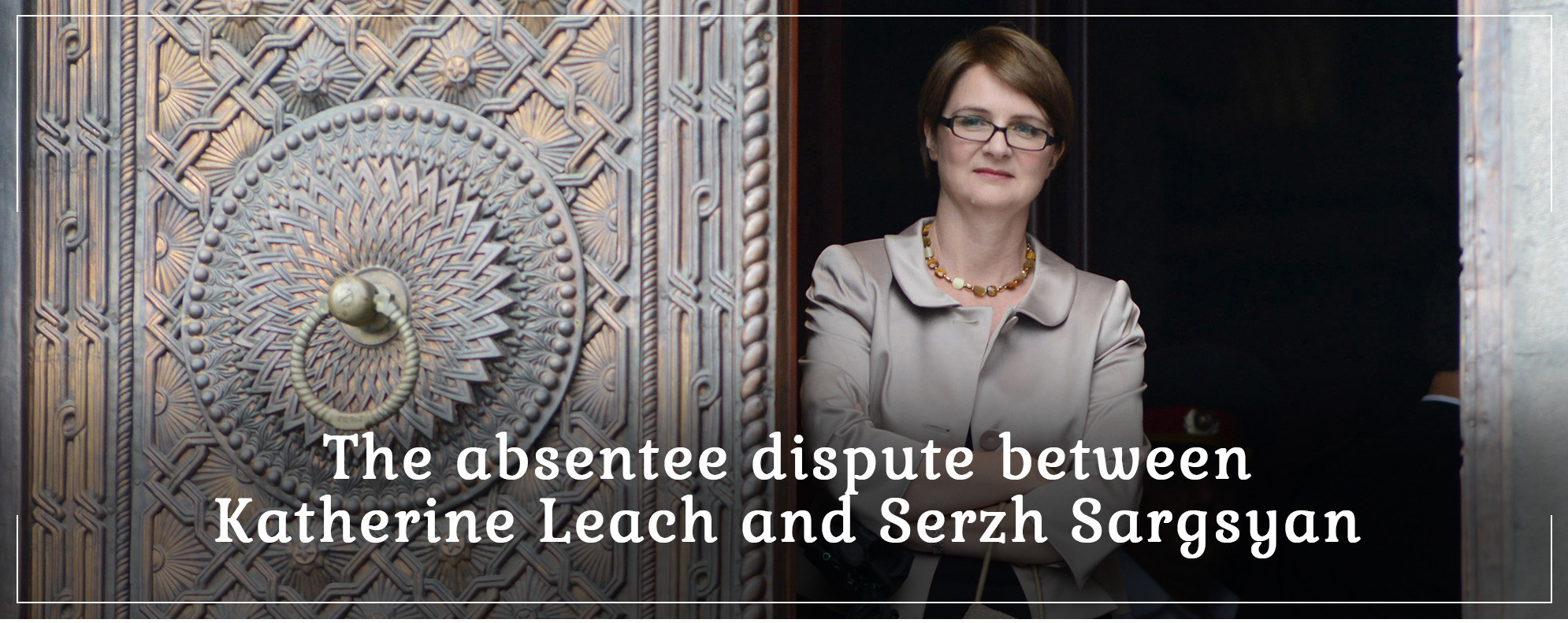
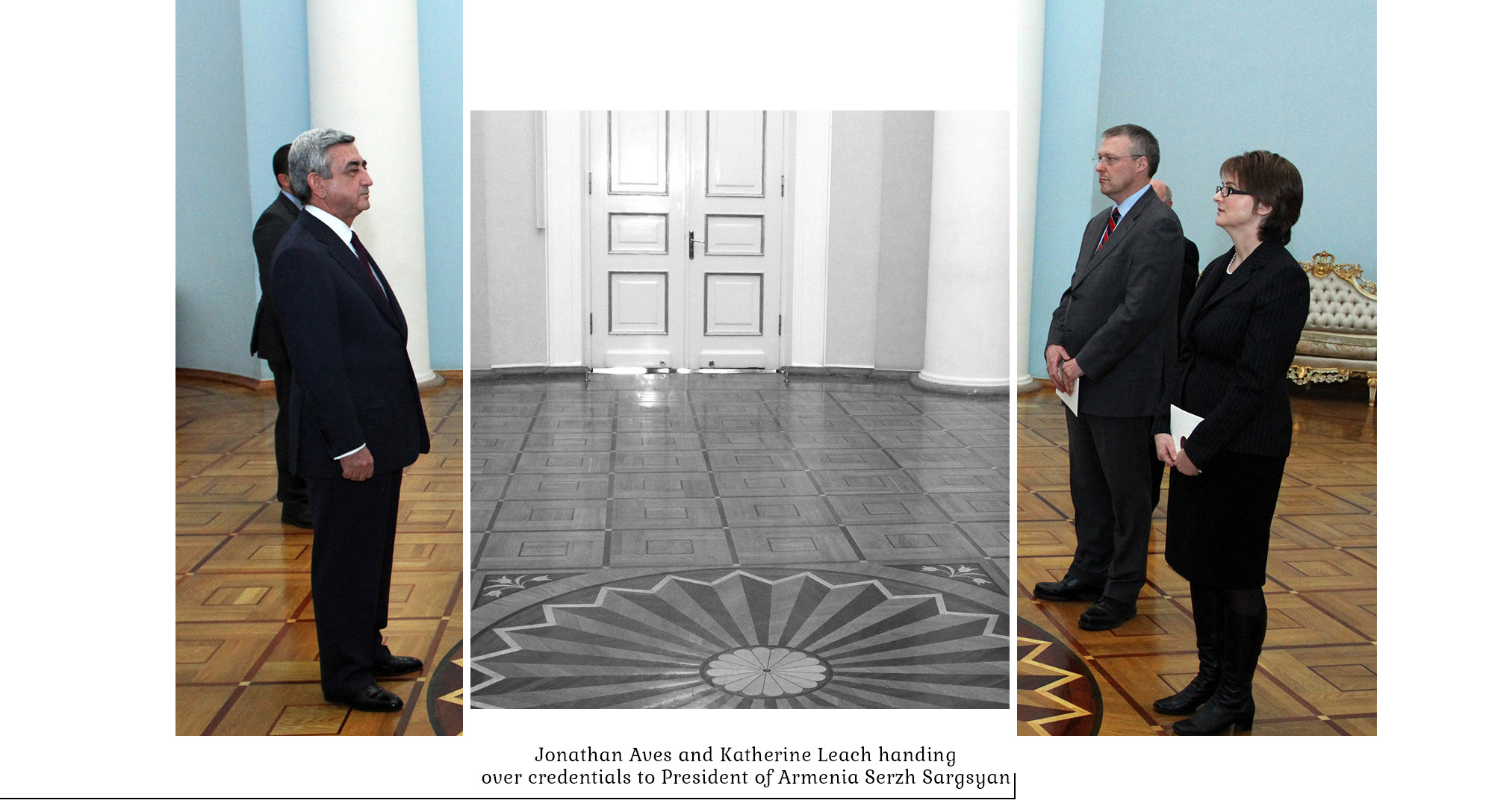
The unexpected news broke the information lull in August 2011. The British Embassy informed that Jonathan James Aves and Katherine Jane Leach, a husband and wife team, were appointed Her Majesty’s joint ambassadors to the Republic of Armenia and they would take up their appointment in January 2012. They would take turns to be the ambassador, each doing the job for four months.
“We will keep each other closely informed during each four-month period, keep good records and agree a joint approach on key issues and decisions,” said Katherine Leach.
The embassy noted that this practice was common within the Foreign Office and that this was not the first instance of a diplomatic mission being carried out by a husband-and-wife team. The first such joint ambassadorial appointment of a married couple took place in 2008 in Zambia.
The Daily Mail wrote that the British Foreign Office had become the subject of ridicule and quoted retired Armenian diplomat Arman Navasardyan as saying that Britain was demonstrating a “lack of seriousness” toward Yerevan.
However, the couple gave no reason to doubt that they took their duties seriously. Despite the rotational principle of work, Katherine Leach’s work was more noticeable, especially her attention to internal political processes in Armenia.
In October 2012, she wrote in her blog that she saw a certain connection between the criminal case against former Foreign Minister Vartan Oskanian and the Prosperous Armenia Party’s decision not to join the coalition.
“For the person on the street, it is impossible to say whether Mr. Oskanian has, or hasn’t, a genuine criminal case to answer. But what we can understand is that Prosperous Armenia, Mr. Oskanian’s party, announced on 24 May it would not rejoin the ruling party coalition. And on 25 May an investigation into Mr. Oskanian’s finances was launched. Of course, the timing could be coincidental. But the fact that people are even asking the question about a potentially politically motivated prosecution demonstrates the mountain these institutions of state power still have to climb to gain people’s trust that they are truly acting in the public interest, not the government interest,” wrote Katherine Leach.
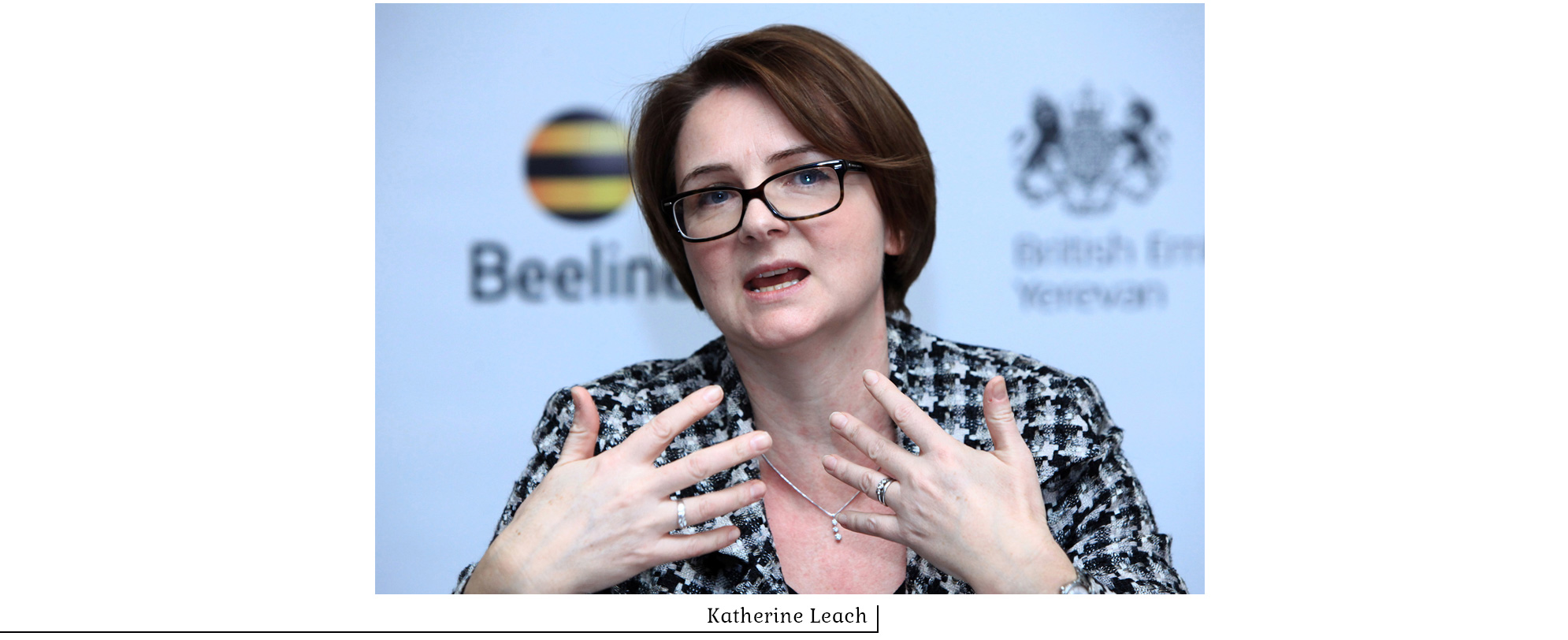
Her post was undoubtedly discussed in the Foreign Ministry and the office of the Armenian president, but no public comments followed. The situation changed in January 2013, when Ambassador Leach called it “disappointing” that Armenia’s main opposition forces would not participate in the presidential election.
“We really welcome President Sargsyan’s commitment to holding Armenia’s best ever election. But it is disappointing that three of the key non-government parties in parliament are neither putting up a candidate of their own nor backing any other. Are these parties not standing because they lack finance, because they lack trust in a fair result, or because they are not really opposition parties as we would normally understand the concept? If they lack finance, is it because potential wealthy backers are concerned about what will happen to their businesses if they back the wrong horse – or because they have not found a way of communicating their message in a way which would inspire donations from the general public?”, wrote the UK Ambassador.
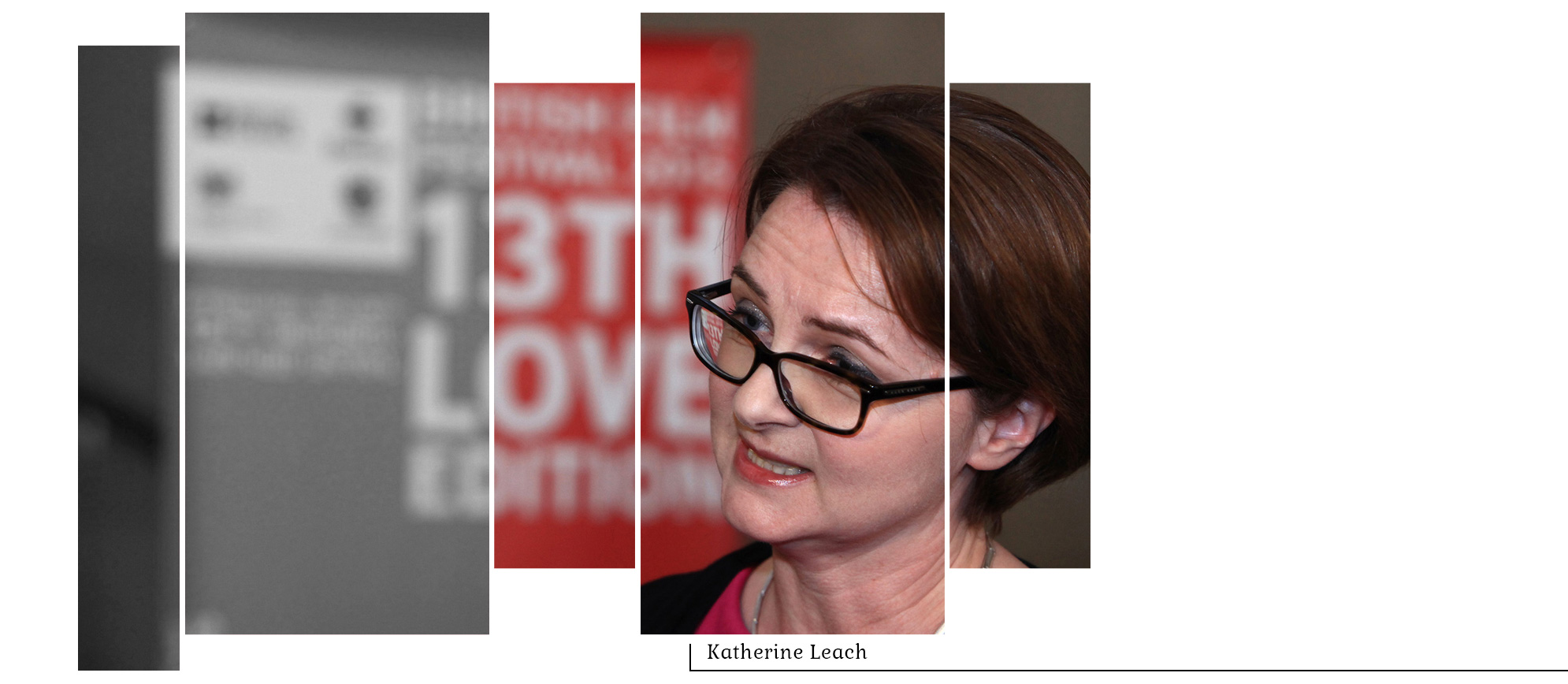
Armenian President Serzh Sargsyan personally responded to Katherine Leach, without mentioning her name.
Speaking in Kapan as part of his election campaign, the incumbent head of state and presidential candidate Serzh Sargsyan said that “we have no right to blame anyone for running, and especially for not running for presidency.”
“Some people and not only in our country try to blame us that we don't have any strong competitors at the elections. As though the authorities’ goal is to create competitors and heroically overcome these obstacles. Of course, it’s not our goal. Our objective is to create a competitive field. Our aim is to give chance to anyone who wants to nominate his candidacy and fight, so as he could fully use these opportunities,” Serzh Sargsyan said.

On February 18, presidential elections were held in Armenia, resulting in the victory of the incumbent president, Serzh Sargsyan. Second place was taken by Raffi Hovannisian, leader of the Heritage Party, who refused to recognize the election results and declared that he would “not allow the people’s vote to be stolen, even at the cost of his life.”
Serzh Sargsyan’s inauguration took place on April 9 in Yerevan, and on the same day, former presidential candidate Raffi Hovhannisyan held his own “inauguration” at Liberty Square.
“I don’t care about Raffi and Serzh. Today the people rise to power,” he said. Raffi Hovhannisyan stated he had no intention to leave the Liberty Square and would “remain committed and accountable to the people until the very last breath.”
Ara Tadevosyan
Photos from Photolure are used in this chapter.