The decision to sell the Yerevan Brandy Company (YBC) dates back to 1995. The first international tender was announced in August 1997, but it was postponed three times.
Despite strict confidentiality surrounding the 1998 tender, leaks were inevitable. The first to reveal the government’s intention to sell the YBC to the French company Pernod Ricard for $30 million was Member of Parliament (and now President of Armenia) Vahagn Khachaturyan.
The government responded that negotiations were ongoing and the final price had not yet been settled. Alain-Serge Delaitte, a representative of Pernod Ricard, said:
“We view the acquisition of shares in the Armenian brandy company as an important step toward entering the vast Russian market, the world’s largest consumer of Armenian brandy.”
Another global giant in the alcohol production industry, the Canadian company Seagram, also expressed interest in acquiring YBC.
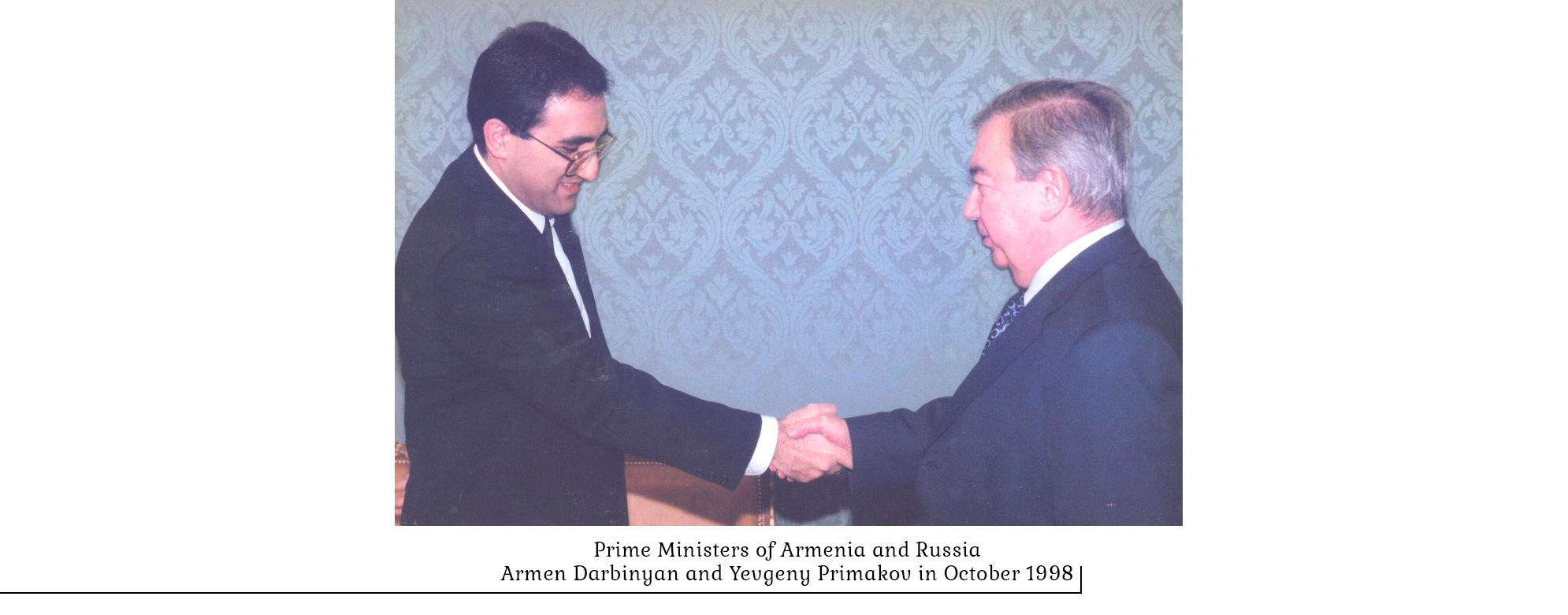
Despite assurances from the government – Prime Minister Armen Darbinyan, and President Robert Kocharyan – about the profitability and effectiveness of the deal with Pernod Ricard for the Armenian economy, statements were made in parliament about “betrayal of national interests and disregard for national sacredness.”
Several public organizations began collecting signatures against the sale of the company. The most popular claim was that “the French are buying the plant only to close it down and eliminate a competitor.” Even the tender’s requirement that the buyer must produce traditional brands for at least five years in volumes equal to the average annual output of the previous three years, using exclusively local grapes and brandy spirit failed to convince them.
Armenian Prime Minister Armen Darbinyan emphasized that Pernod Ricard was the only potential investor willing to make investments without any guarantees from the state or intermediary firms. He also noted that wine and brandy production worldwide is carried out by private companies, and questioned why Armenia should be any different.
Company director Albert Heroian, who joked that the only person who might truly suffer from the sale would be him, as he would surely lose his job, remained optimistic: “After all, they’re not going to attach legs to the plant and walk it out of Armenia.”
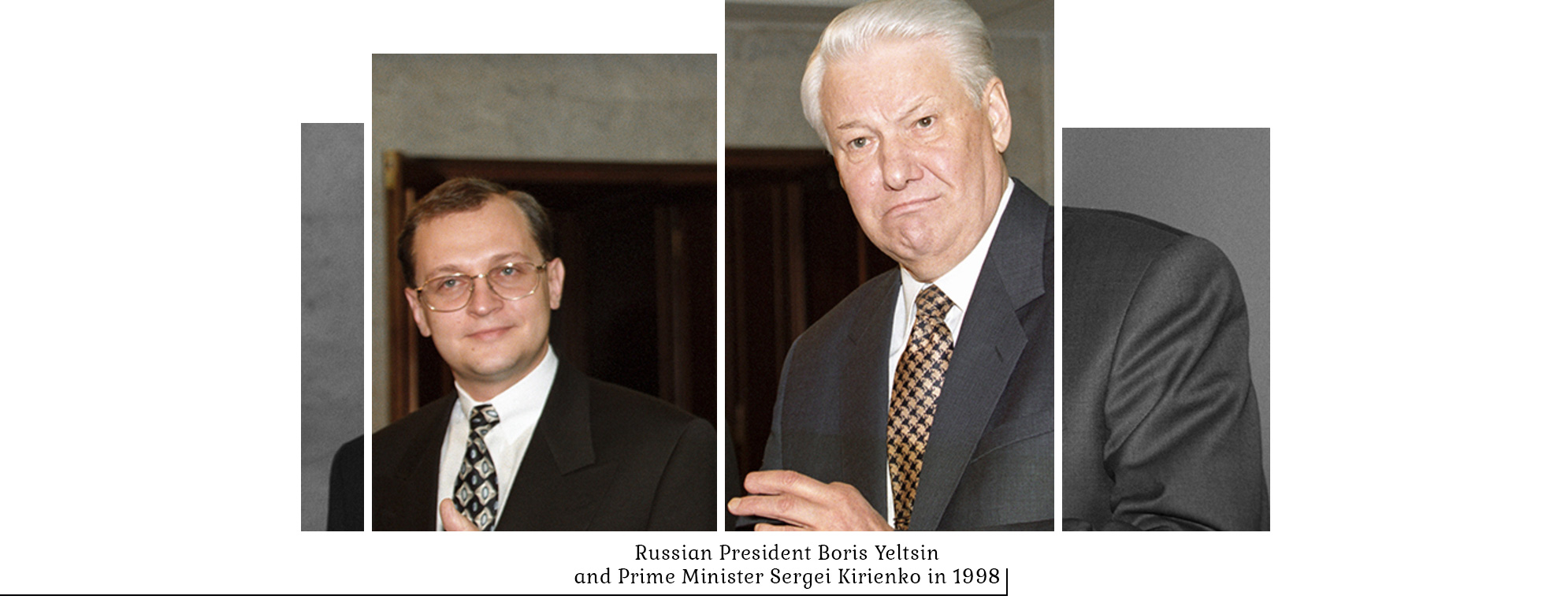
The economic crisis in Russia, which erupted in the summer of 1998 and led to default and the resignation of Sergei Kirienko’s government, proved to be a convenient “gift” for opponents of the Yerevan Brandy Company sale. Initially, the Armenian parliament had attempted to block the deal, but ultimately achieved nothing. Now, the unfolding Russian crisis began to intervene.
As a result, exports to Russia fell sharply, and prospects for recovery were uncertain. By the fall of 1998, rumors circulated that Pernod Ricard might withdraw from the deal. According to the agreement, $2 million had been transferred to the Armenian state budget in June, with the remaining $28 million scheduled for December 10.
Several Pernod Ricard delegations visited Armenia, with negotiations conducted at the highest levels – the group’s vice president met with President Robert Kocharyan. Prime Minister Armen Darbinyan acknowledged that a new round of “rather tough negotiations” had begun. At the same time, the Armenian government emphasized its understanding of Pernod Ricard’s difficulties and continued to regard the company as a promising investor.
The Armenian government and Pernod Ricard reached an agreement on December 12, 1998. An addendum to the contract postponed the deadline for the remaining $28 million payment until June 1999.
Within a year or two, even the most vocal opponents of the sale had to acknowledge that Pernod Ricard proved to be an ideal owner. Far from closing the company, the French investors showed genuine respect for ARARAT, which was and remains the number one brand in Armenia.

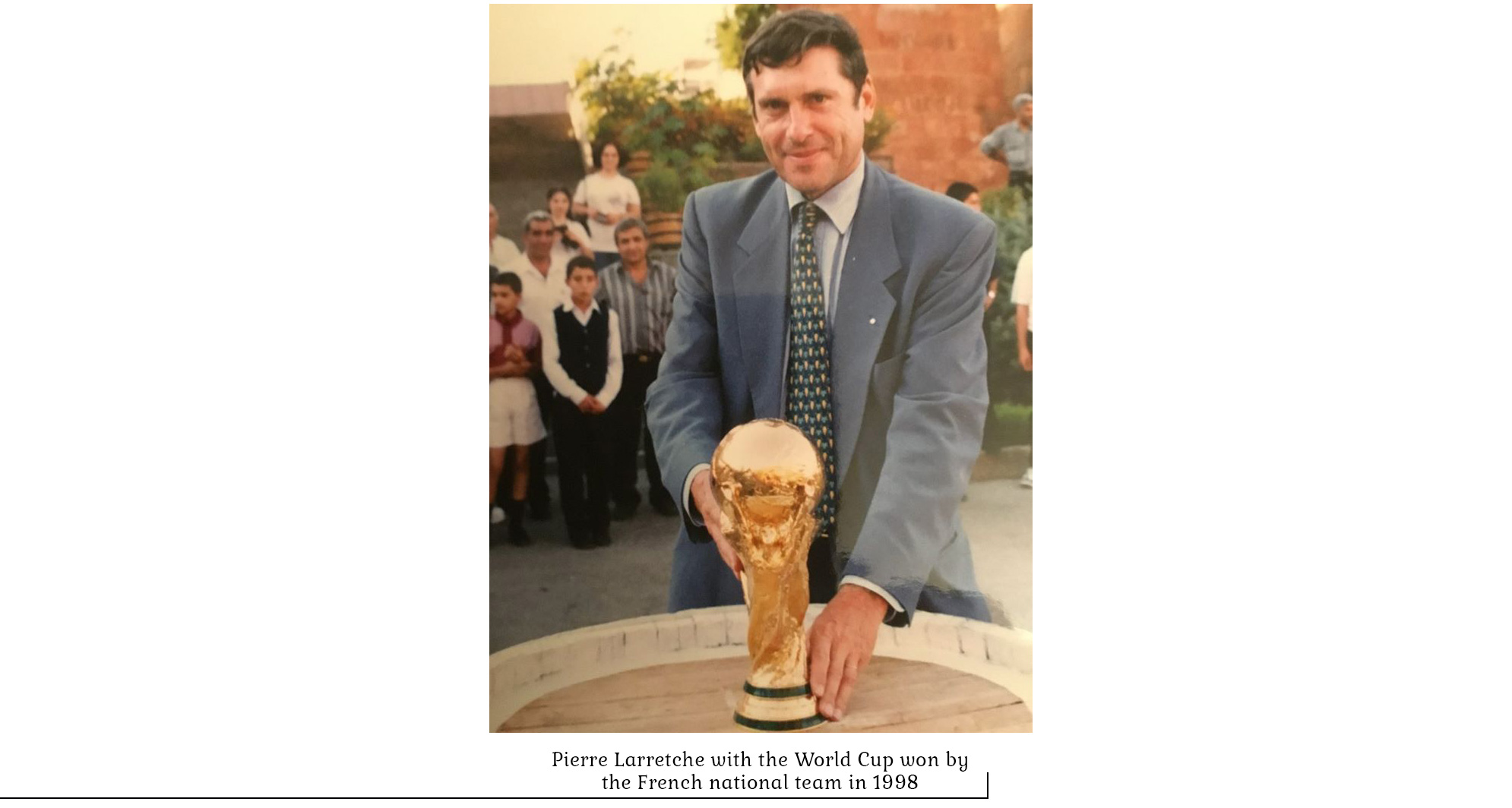
After purchasing the plant, Pierre Larretche became its head. Former Armenian Prime Minister Hrant Bagratyan described him as “an exceptional friend of Armenia and Artsakh.”
“Under his leadership, a landmark decision was made regarding the standard for Armenian brandy. We abandoned the Soviet GOST-13471 standard and established our own, under which only a drink made from Armenian brandy and bottled in Armenia can be considered Armenian brandy,” Bagratyan said. He also noted that, at Larretche’s initiative, the Yerevan Brandy Company became one of the first companies in Armenia to provide medical insurance for all employees.
Former Armenian Minister of Economy Karen Tshmarityan added that it was Larretche who pioneered the use of grapes grown in Artsakh for the production of Armenian brandy.
Pierre Larretche consistently addressed issues crucial to the future of Armenian brandy.
In March 2003, during a meeting with Armenian Minister of Agriculture David Zadoyan, he expressed concern over winter frosts that had damaged a significant portion of vineyards in the Ararat Valley. Larretche stressed the need for immediate assistance to farmers to prevent the destruction of frost-damaged vines.
In August of the same year, during a meeting with Armenian Prime Minister Andranik Margaryan, Larretche called for measures to ensure that imported spirits “the quality and origin of which cannot be controlled” were not used in the production of Armenian brandy.
At a press conference in June 2004, where it was announced that Larretche would soon step down as head of the Yerevan Brandy Company, he remarked that “the new management of Yerevan Brandy Company managed to dispel the fears that had arisen in Armenian political and public circles following the purchase of the plant by the Pernod Ricard group.”
Pierre Larretche passed away in February 2020 at the age of 74.
Ara Tadevosyan