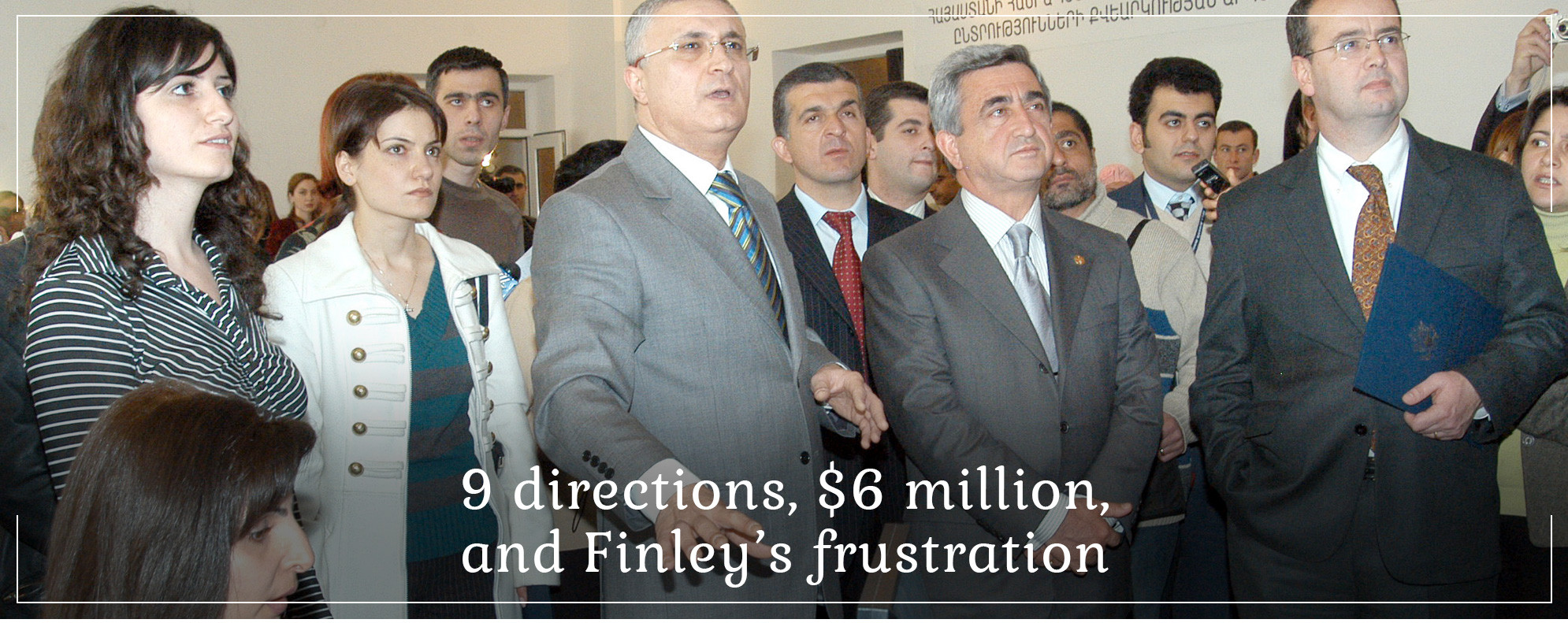
In the run-up to the parliamentary elections in Armenia scheduled for June 7, 2016, the issue of Russia’s and the West’s indirect “participation” in the process was widely discussed. Yet today few recall that not only Russia but also the West showed heightened interest in Armenia’s elections nearly two decades earlier, on the eve of the 2007 parliamentary vote.
For the first time, the package of the U.S. proposals on securing free and fair elections in Armenia was presented in October of 2005.
It consisted of 9 directions and was estimated at $6 million:
• National Voters List;
• Election Administration;
• Voter Information;
• Electoral Adjudication;
• Democratic Political Culture;
• Polling Capacity;
• Political Parties;
• Election Monitoring;
• Independent Media Coverage.
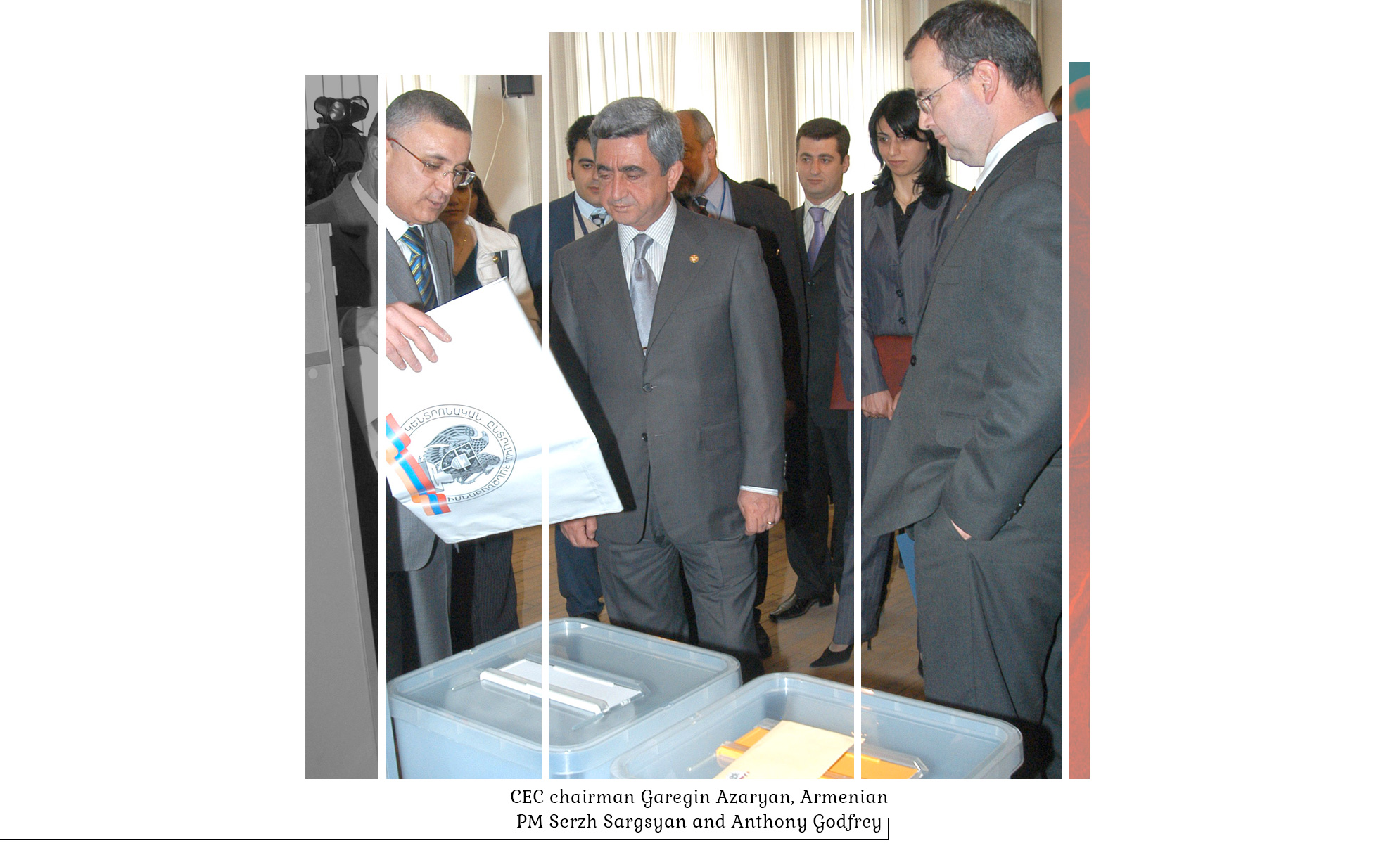
In April 2007, U.S. Charge d’Affaires Anthony Godfrey, said in an interview with Mediamax:
“We launched that program by bringing people down here from the Baltic States to share their relevant experience here. And we’ve made it clear to the Government of Armenia and to our partners in the Prosecutor’s Office and in the Electoral Commissions that there are a lot of questions among Armenians that they don’t believe that cases of fraud will be prosecuted. So what we are trying to do is to give them tools to investigate and prosecute election fraud, which happens everywhere in the world, not just in Armenia.”
Robin Phillips, Director of the USAID Mission in Armenia, in turn noted that “together with the CEC, we formed advisory committees, and volunteers from these committees went door to door urging people to check whether their details were included in the voter rolls.”
Commenting on the issue of election monitoring, Anthony Godfrey said:
“We are working with the domestic monitoring group, “It’s Your Choice,” and we are very proud of how they have developed as an NGO. We were very pleased to see that the very first observer credential issued to any observer in Armenian was “It’s Your Choice,” and we expect them to be very active all around Armenia. We are looking forward to seeing their objective views of how things went.”
Speaking about the level of cooperation demonstrated by Armenia’s political parties, the U.S. Charge d’Affaires acknowledged that “there was a hesitance by some political parties to engage with us, and we hope that in the future people will understand that we are interested in the process and not the outcome.”
“But we do know that some political parties engaged with us, especially in promoting the participation of women and youth in political parties. And I think that when the press of the parliamentary elections is over, they will recognize that it remains an asset. And I hope that we’ll be able to restore more trust in our objectivity,” he noted.
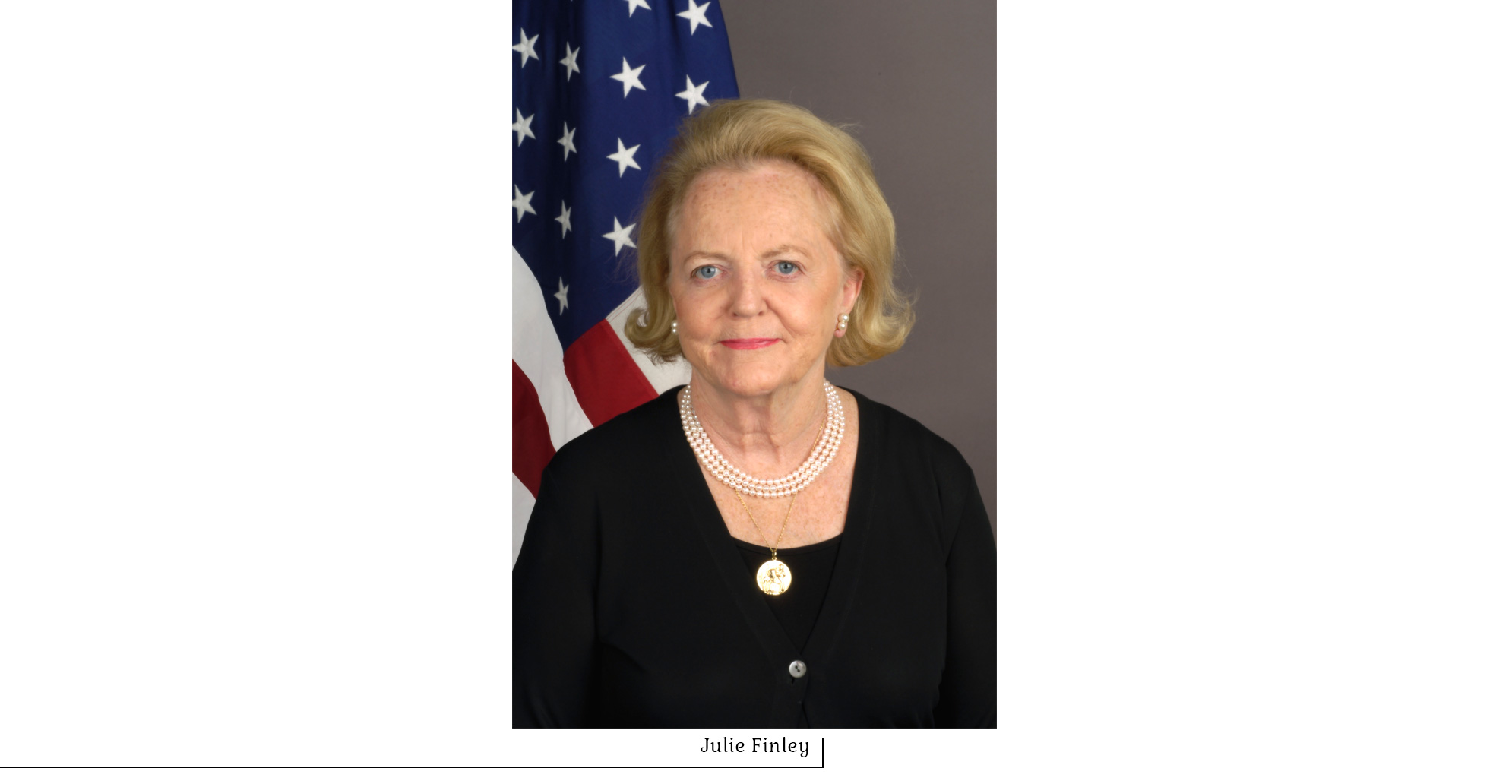
In early 2007, the U.S. Ambassador to the OSCE Julie Finley said in an interview with RFE/RL that she was specifically concerned about the prices of political advertising that were set by Armenia’s broadcasters, and expressed an opinion that “leaders in countries like Armenia are afraid to make media available or transparency more prevalent, because they are afraid of losing their jobs and maybe the opportunity, just perhaps, of salting away some money in bank accounts in some place.”
Commenting on colleague’s statement at the request of Mediamax, Anthony Godfrey said:
“I share, and I continue to share, Ambassador Finley’s concern about equal access to the media. And I would like to point out, that a number of factors have changed the way that the broadcast advertising market works in Armenia. Certainly, the dramatic drop in the value of the U.S. dollar compared to the Armenian Dram, and certainly the increased competitiveness and the growth in the advertising market in the Republic of Armenia has had an effect as well. I haven’t seen, frankly, a negative reaction [to Finley’s statement]. Certainly there were questions about it, and we clarified things. But I think the basis of her statement was one that we’ve expressed before –that it is so important for free and fair elections for the media environment to be fair. I think that was the basis for her statement.”
It is highly probable that Julie Finley’s harsh statements were motivated by personal resentment. In October 2006, she stated in an interview with Mediamax and RFE/RL that she was “very, very disappointed that I did not have even a brief meeting with the Armenian President.”
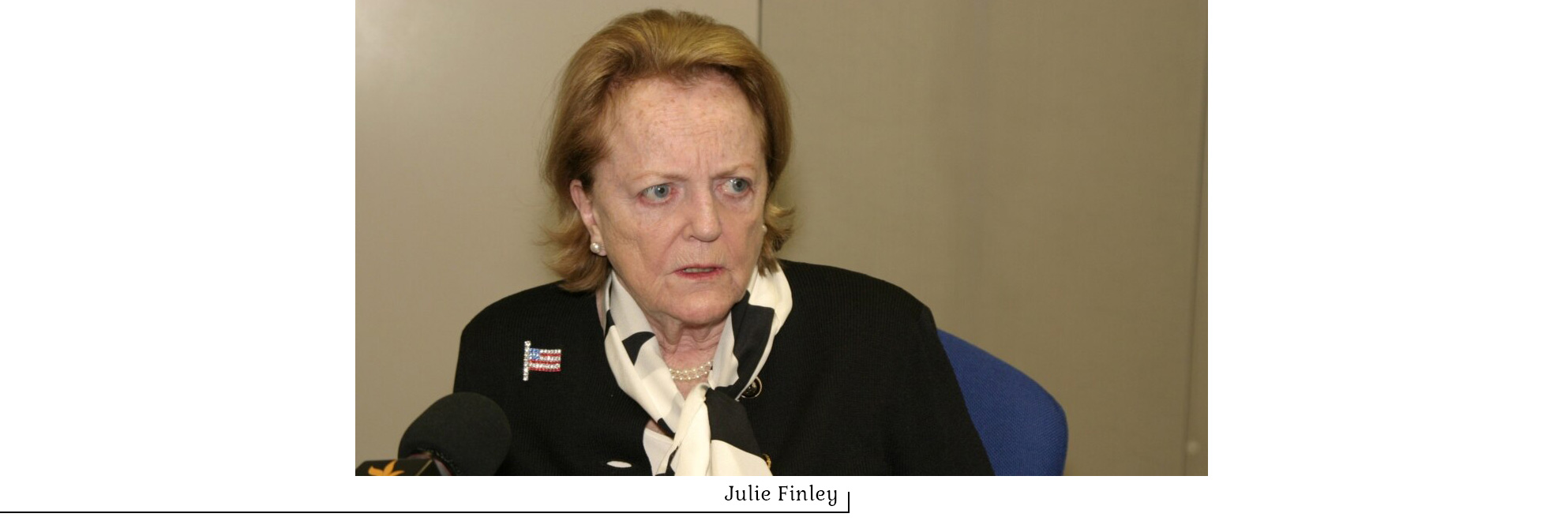
“Usually in my travels to OSCE member states I do meet with the head of state,” said Finley, who during her visit to Yerevan met with the Speaker of the National Assembly, the Minister of Territorial Administration, the Minister of Justice, and the Deputy Ministers of Foreign Affairs.
Julie Finley stated that the main aim of her visit to Yerevan was to emphasize the great attention, which the international community pays to the parliamentary and presidential elections to be held in Armenia in 2007 and 2008.
“We all want these elections to run right because the elections are one of the four main pillars of a democracy. And I am assuming that I am in a country that has decided it wants to be a true democracy” the U.S. Ambassador to the OSCE said.
“The assurance that the government of Armenia has been elected freely and fairly to the international community is very, very important for Armenia,” Julie Finley stated.
Ara Tadevosyan