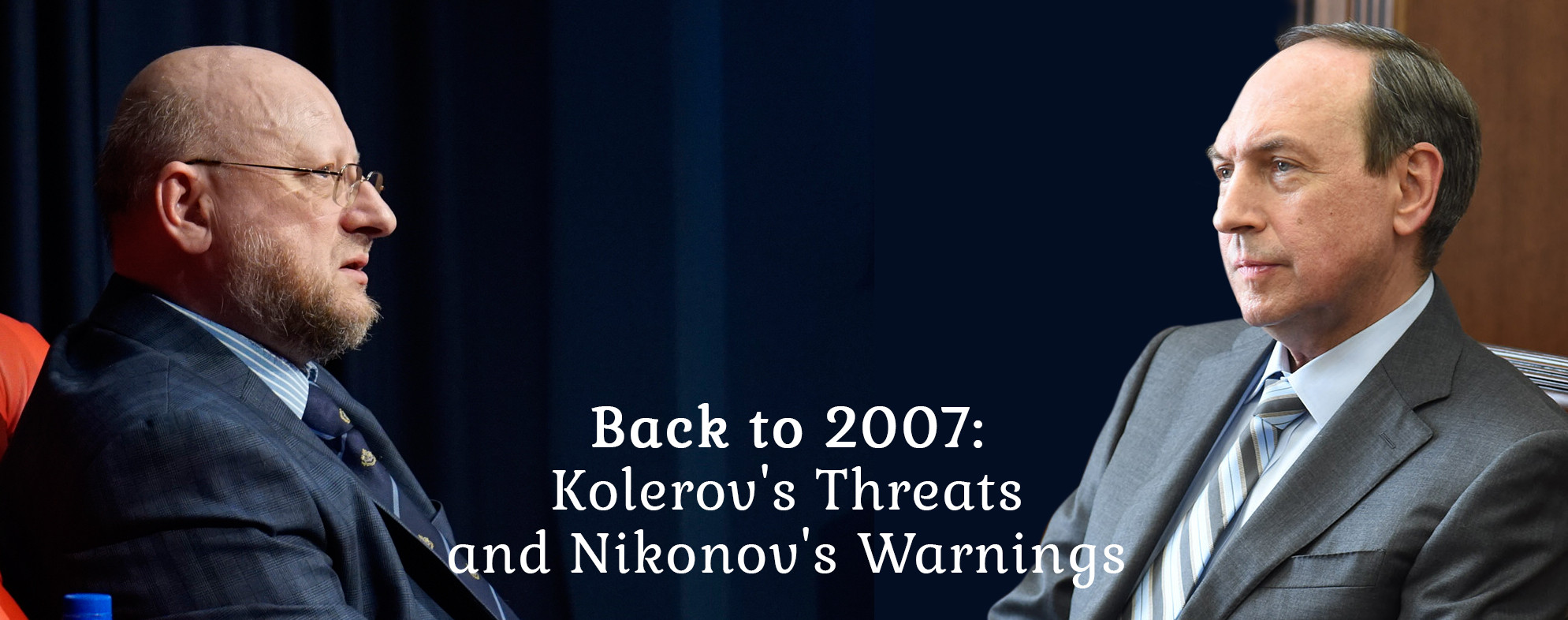
Ahead of the upcoming parliamentary elections on June 7, Armenian officials are accusing Russia of waging a hybrid war. Moscow categorically rejects these accusations, the EU promises support to Yerevan, and only few reasonable experts suggest viewing Armenia as a bridge rather than an arena for confrontation.
We decided to “go back” 19 years, to a period when the elections in Armenia were again actively discussed in Russia.
Armenia’s parliamentary elections were set for May 12, 2007 – less than a year ahead of the presidential election.
In March 2007, Vahan Hovhannisyan, Deputy Speaker of the Armenian National Assembly and a senior figure in the Armenian Revolutionary Federation (Dashnaktsutyun), then part of the ruling coalition, said that “Russia’s harsh pragmatism is causing confusion in Armenia.” In an interview with the Moscow-based Nezavisimaya Gazeta, he noted that “questions are accumulating in Armenian society, yet no answers are being offered.”
“Russia’s energy policy is highly pragmatic. Naturally, we seek flexible formats of cooperation, but the scope for such flexibility is limited. As a result, Russia’s harsh pragmatism causes confusion in Armenia, where a Russian military base is stationed. In this regard, many opposition forces are entering the elections with a central question: does the presence of the Russian military base truly guarantee our security? They are raising the issue of a complete reorientation of Armenia’s foreign policy. This has not yet translated into state policy, but these sentiments must be taken into account,” the deputy speaker warned.
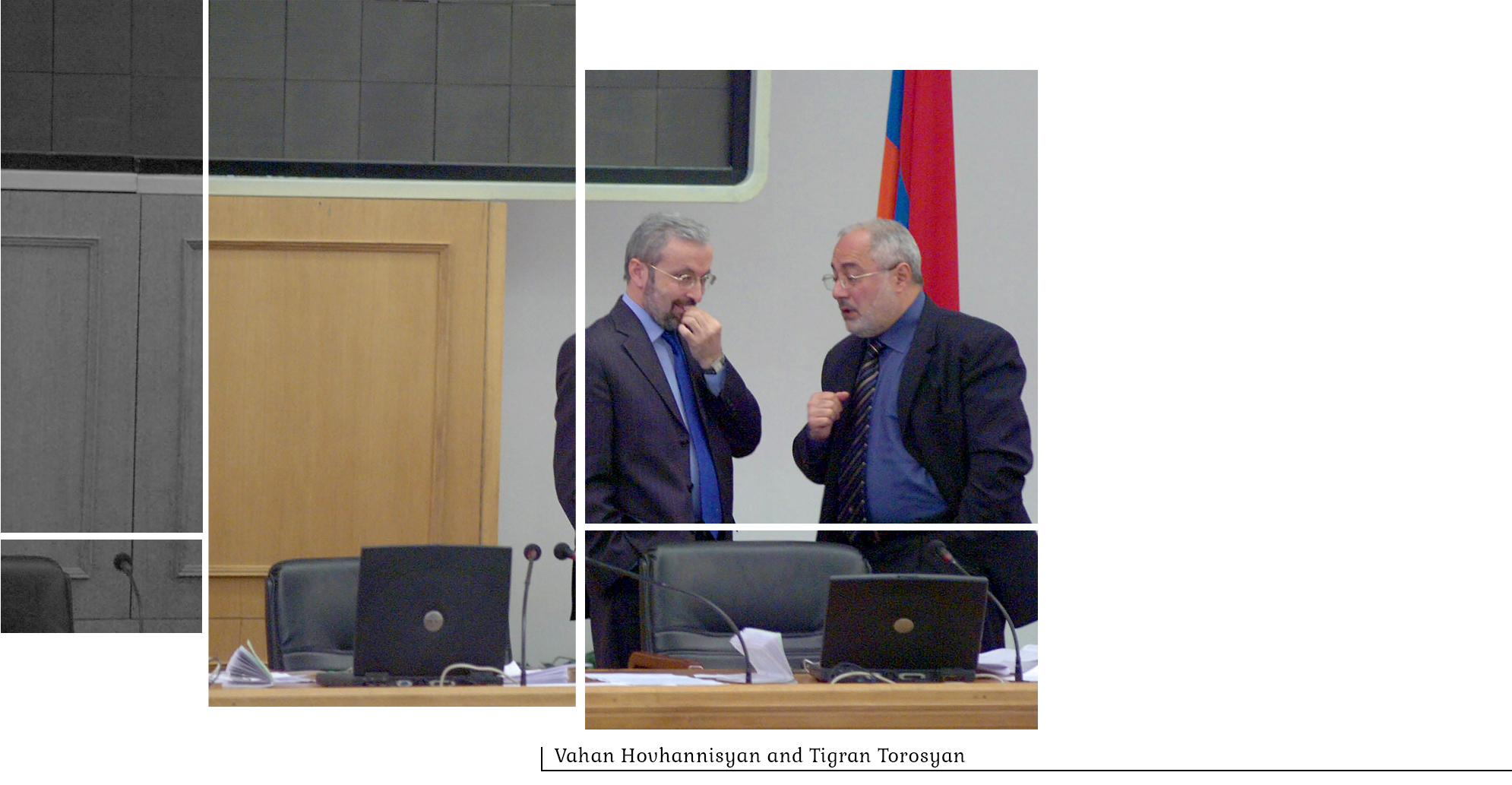
It might appear that Vahan Hovhannisyan was deliberately overstating the problem. However, the speeches delivered at the roundtable discussion “Parliamentary and Presidential Elections in Armenia and Russia’s Interests,” held on March 22, 2007, in Moscow under the auspices of the Unity for Russia Foundation, suggested that the vice speaker’s concerns were well grounded.
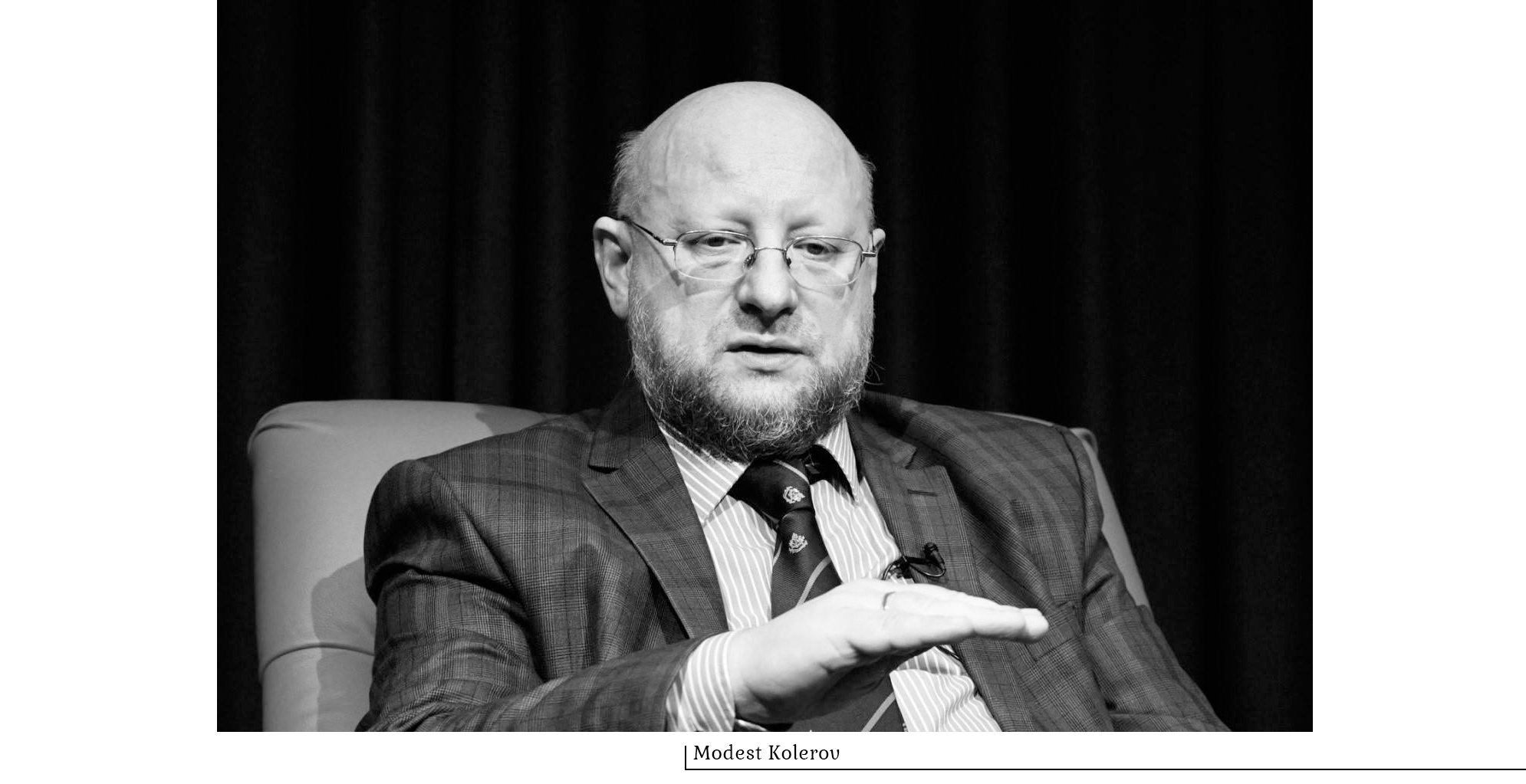
Commenting on the fact that four of the five Armenian enterprises transferred to Russia in 2002 under the “debt-for-assets” agreement remain idle, Modest Kolerov, head of the Russian Presidential Administration’s Department for Interregional and Cultural Relations with Foreign Countries, stated:
“Unfortunately, at the time of the transaction, Armenian assets were overvalued. In terms of public valuation, they were inflated by as much as 50 times. In terms of capitalization, they remain overvalued by at least fivefold. This constitutes the primary obstacle to investment in these projects. Attracting private investors is extremely difficult, as any private investor would be required to assume responsibility for these inflated valuations.”
According to the Armenian-Russian agreement signed in 2002, Armenia transferred five enterprises to Russia to settle a national debt of approximately $100 million: the Hrazdan Thermal Power Plant, Mars CJSC, the Yerevan Research Institute of Mathematical Machines, the Yerevan Research Institute of Automated Control Systems, and the Yerevan Research Institute of Materials Science. According to Kolerov, the combined real value of all five assets was approximately $2 million.
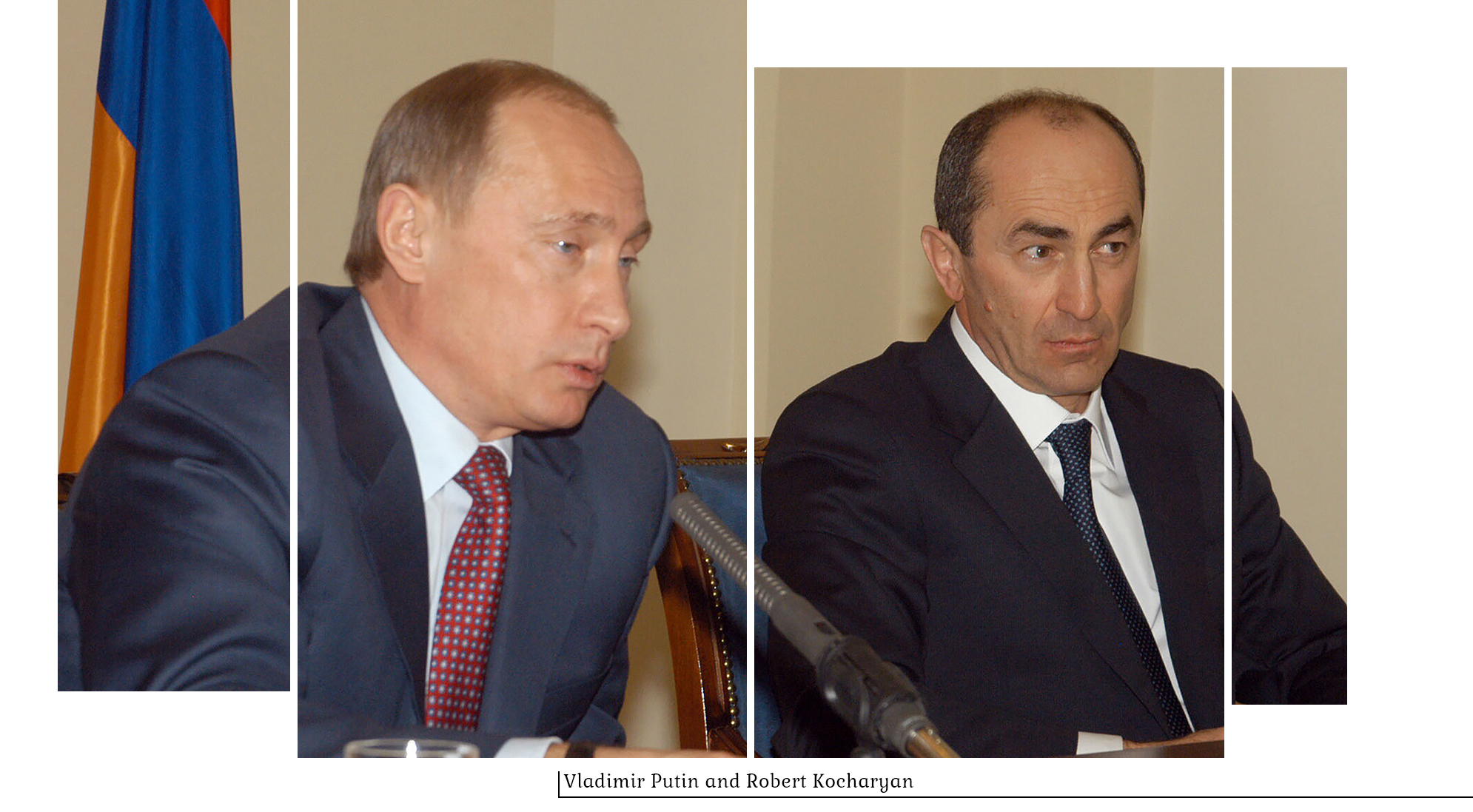
Notably, in September 2001, during an official visit to Yerevan by the Russian president, Vladimir Putin stated:
“This is not really about the debts at all. It is not about debts, but about attracting Russian business and Russian capital to the Armenian economy. That is the essence of President Kocharyan’s proposal. We understand this perfectly and fully share his position.”
Modest Kolerov continued:
“Unfortunately, we have not heard a clear program for Armenia’s own development from any of the political forces participating in the election cycle. For dialogue to be possible, we need direct statements. We are lacking them.
We also clearly lack a defined position from Armenia’s current political forces on Nagorno-Karabakh. Yes, we understand that there is a national consensus in Armenia on this issue. However, according to our estimates, the ‘peace for land’ formula is supported by around 20 percent of the population. Who bears responsibility for this? Who formulates these positions, and who defends them? I would not want this issue to remain the subject of behind-the-scenes bargaining, because it concerns the entire nation. If this approach is not discussed broadly, it risks becoming one of the factors of a national crisis – something we would not want under any circumstances.”
The head of the Russian presidential administration spoke bluntly:
“It is quite clear that we are lacking a discussion of the figure of Oskanian [Armenian Foreign Minister Vartan Oskanian] and the positions he articulated at a press conference on March 21, where he spoke of threats to democracy and Armenian statehood should the elections, in his words, fail to be conducted transparently and fairly. In effect, he is positioning himself as the principal advocate of ‘free and fair elections’- a message that serves as the direct voice of those forces who believe that these elections must, above all, be recognized by the West. This ideology also produces a corresponding criterion: that the benchmark for transparency lies somewhere between Brussels and Washington. Yet this issue is not being discussed at all, and we are missing that discussion.”
The irony of the situation was that Oskanian delivered these remarks at a press conference held at the Yerevan office of the Regnum news agency – owned by Modest Kolerov himself.
Kolerov also addressed the forthcoming transition of power in Armenia:
“Of course, we cannot ignore attempts to exert external influence on the nomination of Serzh Sargsyan – a genuinely recognized, reputable, and very strong political figure. Western efforts to associate him, in one way or another, with provocative materials produced in the West must be met with an adequate response. Yet we do not hear such a response. It is nevertheless evident that these discussions and attempts are malicious and deliberate, particularly in the context of the discourse on transparency being advanced by Oskanian. We are not children, we can see this.”
Two years prior to this roundtable discussion, Kommersant published an article titled “Vladimir Putin Appoints a Velvet Counterrevolutionary,” which stated:
“Vladimir Putin has appointed the well-known political strategist Modest Kolerov as head of the newly created Presidential Administration Department for Interregional and Cultural Relations with Foreign Countries. The department reports directly to the head of the presidential administration, Dmitry Medvedev.
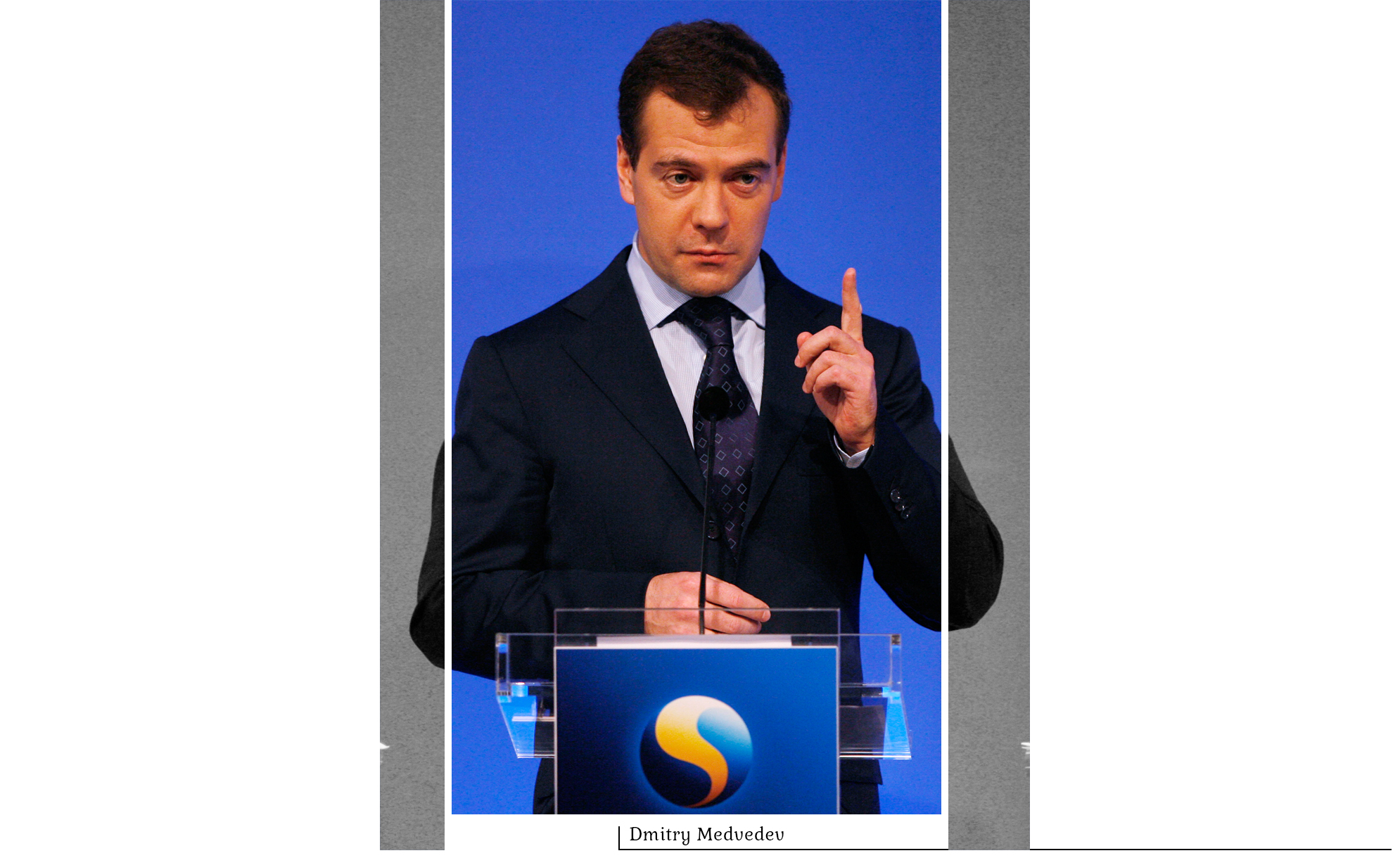
The Kremlin emphasizes that ‘a significant portion of the new department’s activities will focus on the independent states that emerged after the collapse of the USSR.’ It appears that Mr. Kolerov will be responsible for preventing ‘velvet revolutions’ in the post-Soviet space.”
In March 2007, the Russian Foreign Ministry released its “Review of the Foreign Policy of the Russian Federation.” In the 100-page document, only three sentences were devoted to Russia’s relations with Armenia:
“Relations with Armenia are stable and friendly. Armenia is our strategic partner in the South Caucasus and part of the Commonwealth’s integration core. We will seek to ease Armenia’s transport blockade, expand cooperation in the energy sector, achieve a higher level of foreign policy coordination in the region, and strengthen humanitarian cooperation.”
Vyacheslav Nikonov, president of the Politika Foundation, also spoke at the roundtable.
“The new election cycle in Armenia has clearly not yet captured the attention of the Russian public. This is unfortunate, as the outcome of this political campaign is highly significant for our country. It is no secret that the South Caucasus has increasingly become a field of geopolitical competition among the world’s leading powers. The United States, having consolidated its position in Georgia and strengthened its influence in Azerbaijan, is also emerging as a significant factor in the Armenian political arena. The Transcaucasian dimension of European Union policies and other European institutions is clearly expanding, with primary focus on Georgia, though Armenia is not being overlooked.
In this increasingly complex context, it is vital for Russia to identify political forces south of the Caucasus that are committed to constructive cooperation with us. Simply assuming that they will prevail automatically is a dangerous misconception. The Armenian political arena is far from straightforward,” Nikonov observed.
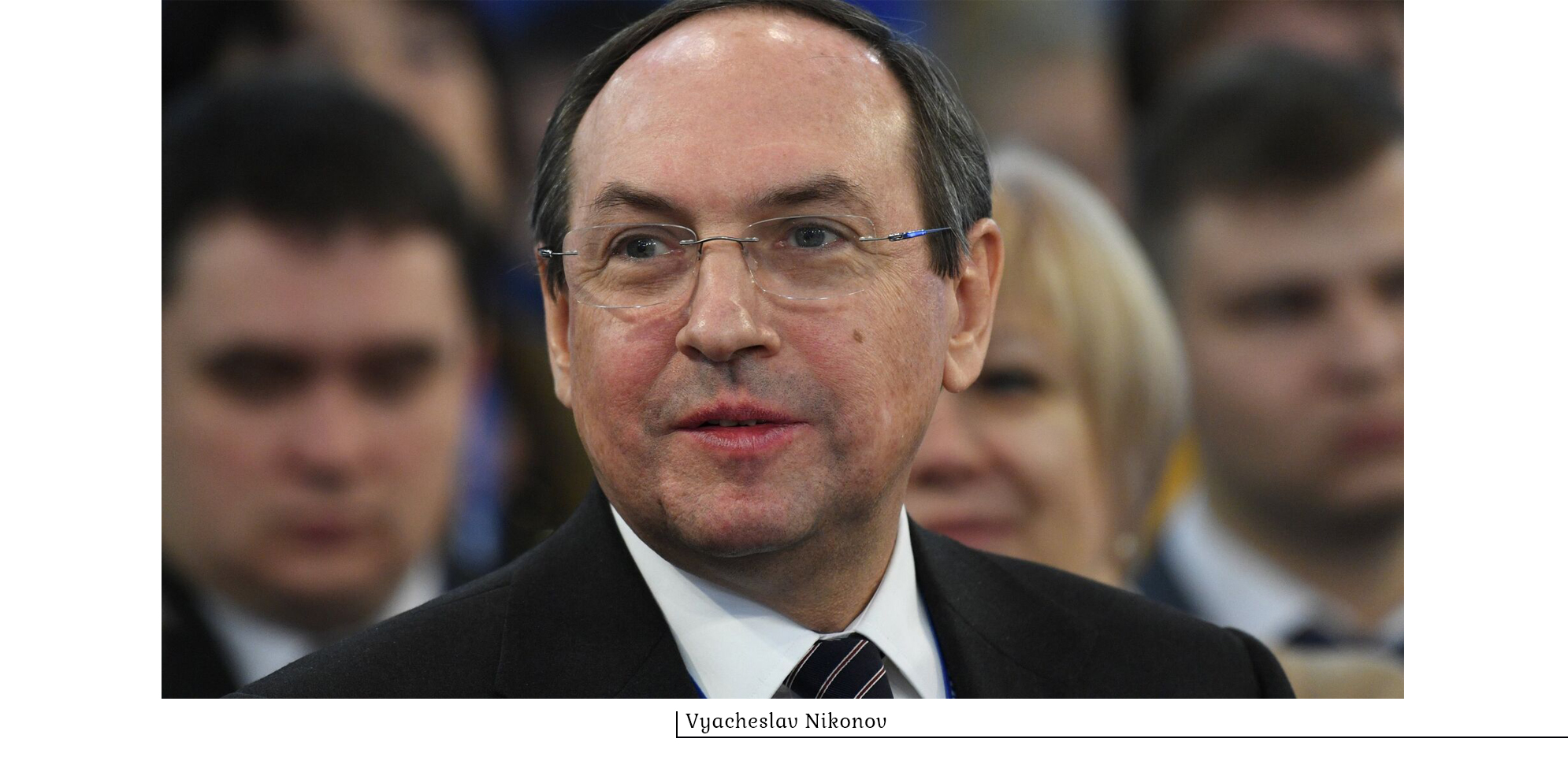
“It will not be easy for Armenia’s current leadership to retain power, given the accumulated fatigue of voters, even amid dynamic economic growth. Paradoxically, the ruling party’s challenges in Yerevan are partly linked to its orientation toward a close partnership with Russia. This is not due to anti-Russian sentiment – which is largely absent – but rather to widespread disappointment with the outcomes of that partnership. Russia’s primary interest should be to help the current leadership address this disappointment. Such a policy would strengthen pro-Russian forces in the parliamentary and presidential elections and enhance the popularity of cooperation with our country among Armenian society,” the political scientist explained.
Nineteen years ago, Nikonov’s warning appeared to have been largely ignored by the Kremlin.
Ara Tadevosyan
Photolure and REUTERS photos are used in this chapter